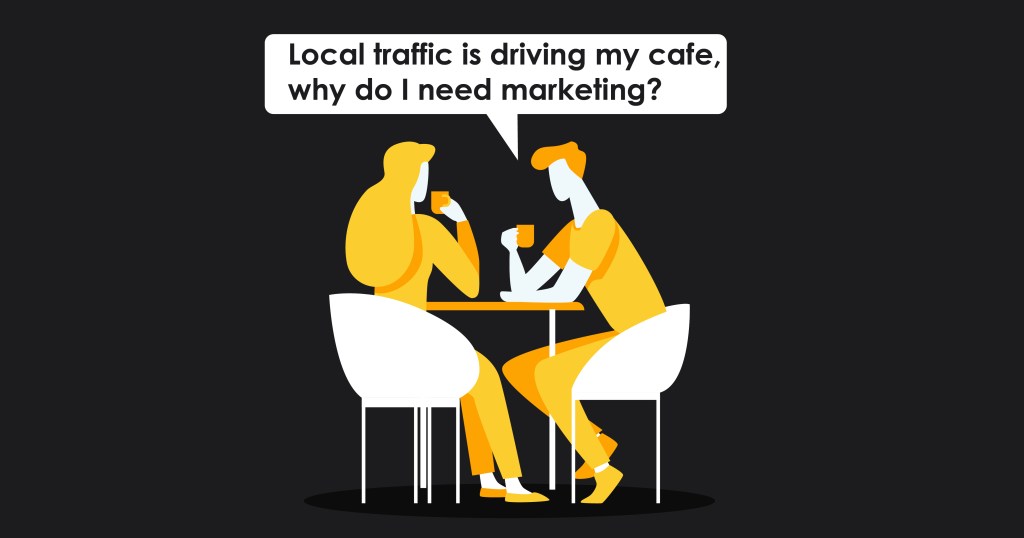
Running a restaurant is not cheap. There are numerous overheads and expenses that can’t be avoided—power for cooking and lighting, rent, rates, and wages all add up quickly. On top of that, ingredient prices can fluctuate drastically, sometimes overnight. Given these expenses, it’s understandable why some restaurant owners decide not to invest heavily in marketing, especially after the initial launch. However, this often proves to be a costly mistake.
Effective restaurant marketing does far more than just introduce your business. It makes customers aware of the unique dining experience you offer, helps build a strong brand, and distinguishes your restaurant from the competition. In an increasingly saturated food and beverage industry, standing out is crucial. Without a good marketing plan, you risk fading into the background, no matter how great your food or service may be.
Here are some reasons why Cafe and restaurant need to have strong and effective marketing:
1. Attracting New Customers
Marketing helps restaurants and cafes reach new customers by increasing awareness. Whether through online ads, social media, or traditional methods, a well-executed marketing strategy draws attention to the business, especially in a competitive market. Without marketing, potential customers may not even know the establishment exists.
2. Building Brand Recognition
A strong marketing campaign can help a restaurant or cafe establish a recognizable brand. Consistent messaging, logos, and a unique voice differentiate the business from others. This helps create a lasting impression, making customers more likely to return and recommend the place to others.
3. Increasing Customer Loyalty
Effective marketing isn’t just about attracting new customers; it’s also about keeping the existing ones. Loyalty programs, special promotions, and consistent communication through newsletters or social media help keep customers engaged, building a loyal customer base over time.
4. Communicating Offers and Specials
Restaurants and cafes often run special promotions, discounts, or seasonal menus that need to be communicated to customers. Marketing ensures that people know about these offerings through social media, emails, or local advertising, driving more business during these periods.
5. Competing in a Crowded Market
The food and beverage industry is highly competitive. Marketing allows a restaurant or cafe to stand out in a crowded market by highlighting what makes it unique, such as a signature dish, unique ambiance, or exceptional service.
6. Building and Managing Online Reputation
Online reviews and social media can make or break a restaurant or cafe. A good marketing strategy involves managing online reputation by responding to reviews, engaging with customers on social platforms, and encouraging positive feedback. This helps build credibility and trust with potential customers.
7. Driving Traffic During Off-Peak Hours
Some cafes and restaurants experience lower traffic during certain times of the day or week. Marketing efforts like time-specific promotions (e.g., happy hours or lunch specials) can help attract customers during these slower periods, maximizing revenue.
8. Leveraging Word of Mouth and Referrals
Marketing can amplify word-of-mouth referrals. Encouraging customers to share their experiences, offering referral bonuses, or creating shareable content can lead to more organic promotion from satisfied customers.
9. Supporting Business Growth and Expansion
For restaurants and cafes looking to expand, marketing is critical for reaching new markets, expanding the customer base, and building a recognizable brand that can grow beyond the local level.
10. Adapting to Trends and Customer Preferences
The food industry is influenced by trends (e.g., plant-based menus, sustainability, or digital ordering). Marketing helps restaurants and cafes communicate how they are adapting to these trends and customer preferences, keeping them relevant and appealing to changing tastes.
Your marketing plan should be comprehensive, covering everything from digital efforts, such as an engaging website and active social media presence, to traditional methods like print advertising or even billboards. It’s not just about getting people through the door—it’s about building lasting brand awareness, growing your customer base, and ensuring that those customers return.
A well-thought-out marketing campaign can turn a little-known restaurant into the top result on Google searches. It can elevate your brand, bringing in more customers and fostering loyalty, leading to a steady increase in revenue. In today’s competitive landscape, it’s not enough to rely on word of mouth or hope that customers stumble upon your business. Marketing ensures people know who you are, what you offer, and why they should visit.

