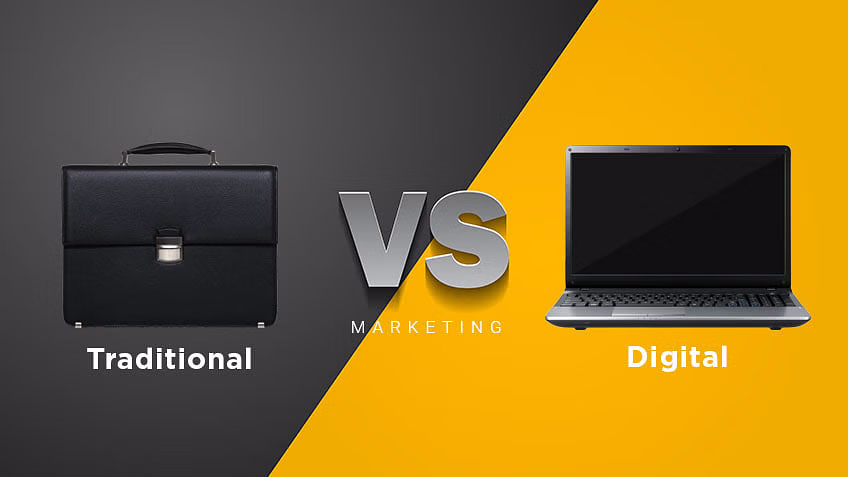
As we navigate the marketing landscape in 2024, it’s essential to blend digital and traditional strategies for a comprehensive approach. Digital marketing includes online ads, social media, PPC advertising, and email campaigns, while traditional marketing leverages print ads, billboards, direct mail, and other offline techniques.
Understanding these strategies is critical for businesses that aim to succeed. Digital marketing offers advantages like cost-effectiveness, global reach, and real-time customer interaction. In contrast, traditional marketing excels at local engagement and establishing a lasting presence, albeit often at a higher cost and with limited immediate feedback.
What You’ll Discover in This Guide:
- Essential components of digital marketing
- Advantages and challenges of traditional marketing
- A detailed comparison of both approaches
- Disadvantages inherent to each strategy
- Insights from successful campaigns that merge both methods
- Trends shaping the future of marketing in 2024
- Tips for effectively integrating both strategies for maximum impact
To fully capitalize on digital marketing opportunities, investing in website development and redesign services is vital. These elements significantly enhance online visibility and improve user experience. As we move forward, grasping the nuances of website redesign will be key for businesses wishing to remain competitive. Features like Accelerated Mobile Pages (AMP) can dramatically enhance site performance and user engagement.
1. Understanding Digital Marketing
Digital marketing encompasses a wide array of online strategies aimed at engaging customers and promoting products or services. Key components include:
- Social Media Marketing: Platforms like Facebook, Instagram, and Twitter enable businesses to connect with their audiences through targeted content and advertisements.
- PPC Advertising (Pay-Per-Click): Advertisers pay a fee for each click on their ads, with Google Ads being a popular platform for such campaigns.
- Email Marketing: Sending targeted emails to both potential and existing customers helps foster relationships and drive conversions.
Advantages of Digital Marketing
- Cost-Effectiveness: Digital marketing often requires less investment than traditional methods, making it accessible to businesses of all sizes. PPC campaigns can be adjusted according to budget, offering flexibility.
- Global Reach: Online ads can effectively target a worldwide audience, breaking down geographical barriers.
- Real-Time Interaction: Engaging with customers through social media comments and live chats fosters stronger relationships and allows for immediate feedback.
- Flexibility and Control: Digital campaigns can be adapted based on performance metrics, with tools like Google Analytics providing valuable insights.
Understanding these elements equips you to develop effective digital marketing strategies tailored to your business needs. For instance, using marketing automation can streamline processes and enhance efficiency.
2. Exploring Traditional Marketing Strategies
Traditional marketing methods have been foundational in advertising for decades. Key techniques include:
- Print Advertising: Ads in newspapers, magazines, and brochures offer a tangible way to reach audiences, particularly local markets.
- Billboards: Strategically placed outdoor advertisements can capture the attention of passersby and leave a lasting impression.
- Direct Mail: Sending promotional materials directly to potential customers’ mailboxes allows for geographic targeting and personalization.
Advantages of Traditional Marketing
- Local Reach: Traditional marketing is effective at reaching local audiences, particularly through print ads and billboards.
- Long-Lasting Impact: Physical advertisements often have a longer lifespan compared to digital ads, which can be quickly ignored.
- Brand Credibility: Traditional methods are often perceived as more trustworthy by consumers due to their established presence.
Challenges in Traditional Marketing
- Higher Costs: Significant investments are often required for print ads and billboards, which can be a barrier for smaller businesses.
- Unreliable Metrics: Measuring the effectiveness of traditional campaigns can be challenging, as they rely on estimates rather than precise data.
- Limited Real-Time Feedback: Adjusting traditional marketing efforts based on immediate consumer feedback is difficult.
Understanding the strengths and limitations of both marketing types is crucial for crafting effective strategies in 2024. Balancing tried-and-true techniques with modern digital approaches can enhance your reach and impact.
3. Digital vs. Traditional Marketing: A Comprehensive Comparison
When evaluating digital versus traditional marketing, consider these key factors:
- Audience Engagement:
- Digital Marketing: Allows for real-time interaction and personalized content, enhancing engagement.
- Traditional Marketing: Offers tangible experiences that can resonate strongly with local audiences.
- Cost-Effectiveness:
- Digital Marketing: Generally requires lower initial investment and offers scalability.
- Traditional Marketing: Often entails higher costs and less flexibility once campaigns are launched.
- Reach:
- Digital Marketing: Enables access to a global audience and precise targeting based on data analytics.
- Traditional Marketing: Excels in local penetration and broad exposure in specific regions.
- Feedback & Analytics:
- Digital Marketing: Provides real-time data and actionable insights into consumer behavior.
- Traditional Marketing: Feedback collection can be delayed and metrics are harder to measure accurately.
This comparative analysis reveals the unique benefits of both strategies, allowing you to choose based on your business needs.
4. Addressing Disadvantages: Traditional vs. Digital Marketing
Traditional Marketing Disadvantages:
- Higher Costs: Expenses for print and broadcast advertising can be prohibitive for smaller businesses.
- Limited Feedback: Gaining immediate consumer insights is challenging, hindering campaign adjustments.
- Local Limitations: Expanding reach beyond local markets often requires substantial investment.
Digital Marketing Disadvantages:
- Technology Dependence: Reliance on tech means disruptions can impact campaigns significantly.
- Security Concerns: Data breaches pose risks, making trust and privacy critical issues.
- Learning Curve: Keeping up with evolving platforms and trends requires continuous education.
Recognizing these disadvantages helps inform more balanced marketing decisions.
5. Successful Integration: Real-Life Examples
Case studies demonstrate the power of blending traditional and digital marketing strategies effectively:
- Disgraceland Podcast: This unique podcast successfully integrated both marketing realms, using print ads and billboards to attract an older demographic, while employing social media and email marketing to engage younger audiences. This dual approach propelled it to over 100 million downloads within two years.
- Macy’s: The retail giant exemplifies the effective integration of print and digital marketing. With print ads and direct mail catalogs complementing their robust social media presence and targeted email campaigns, Macy’s enhances customer engagement and drives conversions across multiple channels.
These examples illustrate how a combined strategy can lead to substantial success.
6. Future-Proofing Your Marketing Strategy: Trends to Watch in 2024
Staying ahead in both digital and traditional marketing requires an awareness of emerging trends:
- Social Selling: Platforms like Instagram and LinkedIn are becoming essential for direct customer engagement.
- Personalization at Scale: AI and machine learning allow marketers to deliver tailored content across both digital and traditional platforms.
- AI Integration: AI tools enhance data analysis, automate tasks, and improve customer interaction.
- Video Content: The demand for engaging video content continues to grow, particularly on social media.
- Sustainability: Brands prioritizing ethical practices resonate more with modern consumers.
- Omnichannel Strategies: Integrating various marketing channels ensures a seamless customer experience.
- Data Privacy: Navigating new regulations around data usage is vital for building consumer trust.
7. Maximizing Impact: Effective Integration Strategies
Combining digital and traditional marketing provides a comprehensive approach. Here’s how to integrate both effectively:
- Consistent Branding: Ensure your brand message is uniform across all platforms.
- Leverage Local Reach: Use traditional methods to engage specific geographical areas while reinforcing these efforts digitally.
- Combine Print with Digital: Incorporate QR codes in print materials to drive traffic online.
- Coordinated Campaigns: Sync your marketing efforts for greater impact, using traditional methods to build awareness and digital channels for follow-up engagement.
- Unified Metrics: Track performance across all channels to identify effective strategies.
By blending these techniques, you create a robust marketing strategy that enhances reach and engagement.
Conclusion
Choosing the right marketing strategy in 2024 requires understanding your business needs. Digital marketing offers cost-effectiveness and real-time interaction, while traditional marketing provides local reach and lasting impact.
To succeed, businesses should:
- Experiment with both approaches to discover what resonates with their audience.
- Stay informed about industry trends to maintain a competitive edge.
Leveraging the strengths of both strategies will help you create a cohesive and effective marketing plan tailored to your unique goals.
 Creative Key Marketing