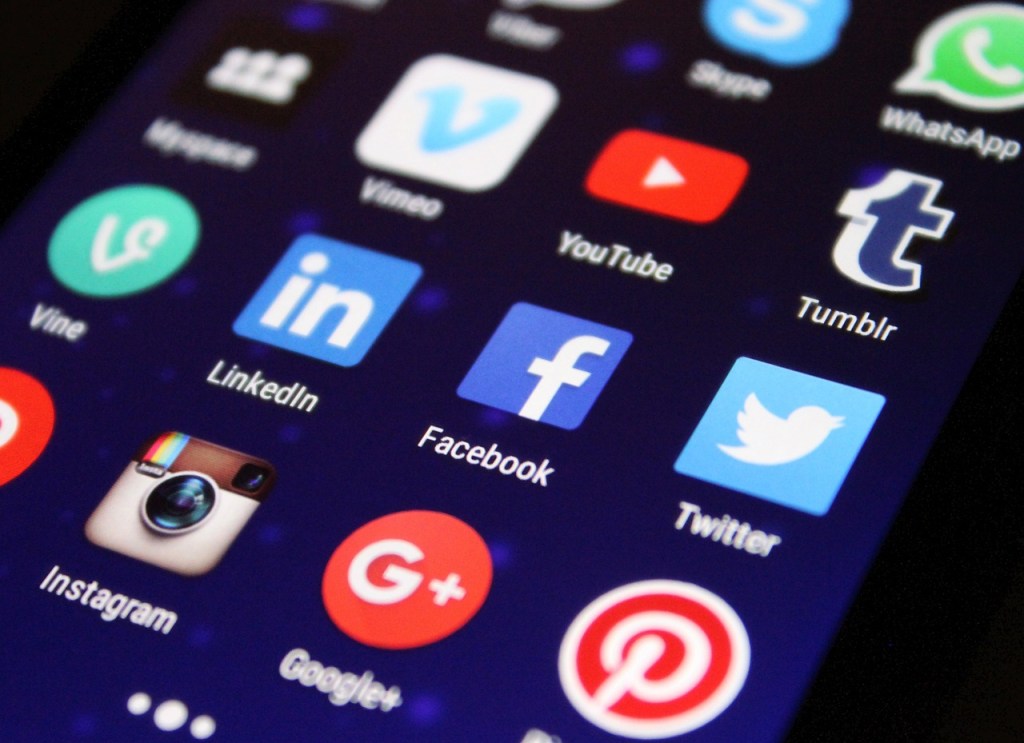
One of the biggest challenges in modern marketing is how fast everything changes. The rise of the internet has given birth to numerous social media platforms, and with the growth of smartphones and tablets, people are accessing information in new and faster ways. Trying to keep up with where your potential customers are can feel overwhelming.
It almost makes you miss the days of advertising in the Yellow Pages.
For those unfamiliar, the Yellow Pages was a large printed book delivered by a phone company every six months to a year, listing businesses by category. Back then, advertising was simpler. A phonebook ad, a few billboards, maybe some radio spots or TV commercials for larger businesses, and that was it.
Some companies even used direct mail through the postal service to announce events and promotions.
Those were simpler times.
Now, businesses have to manage multiple channels: online listings, websites for both desktop and mobile users, social media accounts on Facebook and LinkedIn, Yelp reviews, Twitter feeds, and sometimes even street advertising. With so much going on, it’s easy for businesses to lose track of their core audience.
Identifying Your Target Audience
When a business first launches, there’s usually a clear understanding of the target customer. A solid marketing plan is developed to reach that demographic, and everything proceeds accordingly.
But as the landscape changes, do you check to see if your target is still the same? While focusing on product development and sales, it’s easy to lose sight of the original audience. Does your product still resonate with the same demographic, or have your customers shifted?
Realigning Your Focus
A good marketing plan, much like a solid business plan, requires regular review. Things can change after an initial product launch—perhaps due to updates or new versions. Sometimes, the actual customer base turns out to be different from the one originally targeted.
As you review your business plan to ensure everything is on track, your marketing plan should receive the same attention.
Key Considerations:
- Where are your customers engaging with your product? (Social media, forums, elsewhere?)
- Does your current marketing strategy effectively target both primary and secondary audiences?
- Is your messaging still relevant, or has it become outdated?
- Are your marketing materials up to date?
Perception Matters
Surprisingly, many businesses neglect marketing after their initial launch. Websites that were fresh and exciting can become outdated over time, and marketing materials with old information or broken links appear unprofessional.
The message to customers is clear: “If a company can’t manage its own marketing, why should I trust its product?”
Beyond keeping customers and attracting new ones, your marketing is a reflection of your business’s image. What impression do you get from a business with a website that hasn’t been updated in over a year?
The Bottom Line
Marketing isn’t something you can set and forget. In today’s fast-paced world, neglecting your marketing strategy means missing out on opportunities. You need to stay flexible and regularly revisit your plan to ensure it aligns with your target audience. Done right, marketing is your most powerful tool for success; if ignored, it can become a liability.
 Creative Key Marketing